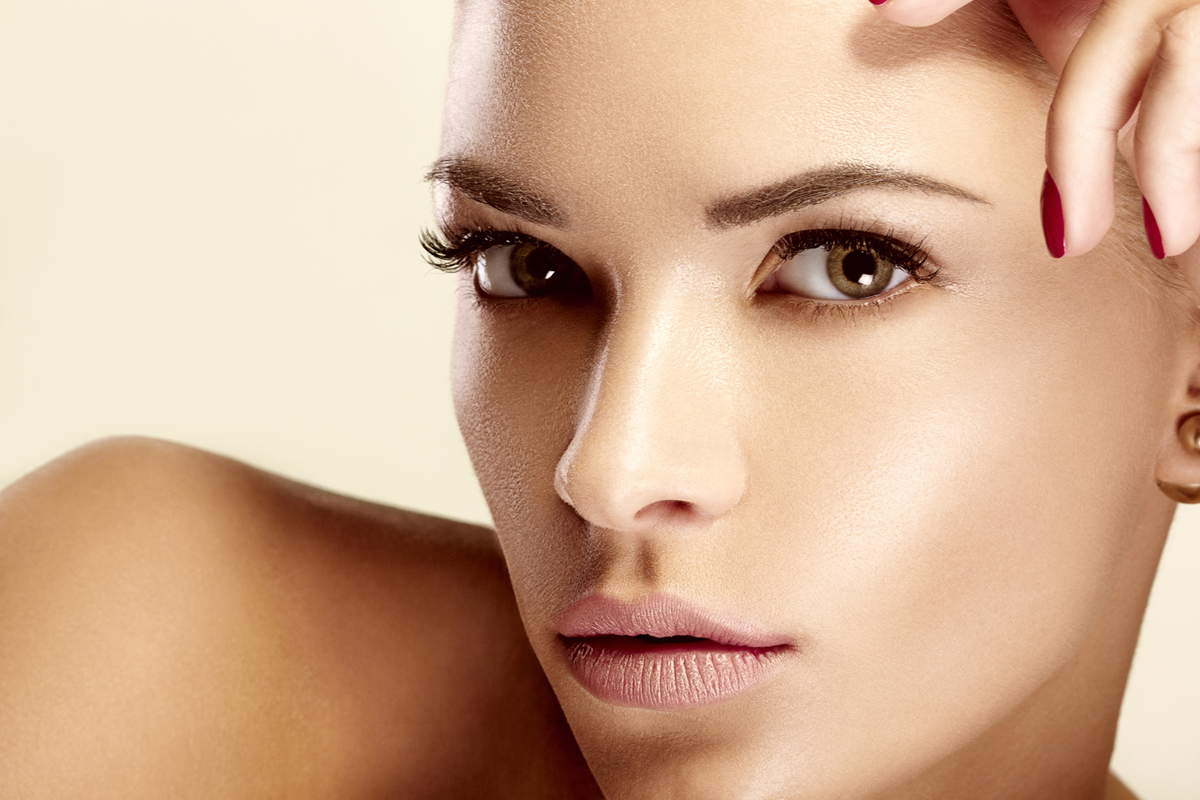
A brow lift is also known as a forehead lift, is a cosmetic procedure that rejuvenates the face above the eyes to raise the brows. By removing excess sagging, skin on the forehead and repositioning the underlying muscles and tissues, a brow lift improves the appearance of the forehead, the brow and the area around the eyes by raising the soft tissue and skin of the forehead and brow. Why it’s done? Aging causes the brows to move down. As skin and soft tissues lose elasticity, the distance between the eyebrows & eyelashes also shortens. A brow lift can raise the eyebrows and restore a refreshed, more pleasing appearance. You might consider a brow lift if you have a low or sagging brow that’s contributing to sagging upper eyelids. Ways to lift brows • Botox Botox is a nonsurgical procedure that treats frown lines between your brows & elevates the height of your eyebrows. It helps in relaxing underlying muscles to smooth your skin on the outside and relaxing the muscles between the brows which allows the forehead muscles to pull up the now-relaxed muscles between the brows, thereby elevating the brows. • Ultherapy Ultherapy can lift the brows, eyelids, forehead, as well as smooth lines around the eyes & forehead for up to five years. It works safely, subtly, and naturally with no downtime. Ultherapy can be l
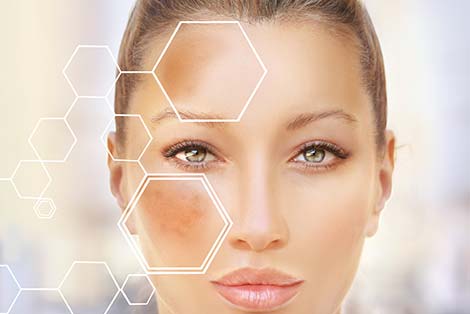
What is hyperpigmentation? Hyperpigmentation is a common skin condition that causes the skin to darken. This occurs when the skin produces a brown pigment called melanin, the pigment that gives skin its color. Hyperpigmentation can occur in small patches, cover large areas that appear darker than the natural surrounding skin. Some forms of hyperpigmentation, including melasma and sun spots, are more likely to affect areas of skin that face sun exposure, including the face, arms, and legs. Causes of hyperpigmentation The most common causes of hyperpigmentation are: • Post-inflammatory hyperpigmentation Post-inflammatory hyperpigmentation is caused by trauma. Most common causes includes acne, friction, shaving, abrasion, dermatitis, burns, eczema & allergic reactions. • Sun exposure/ age spots / sun spots The body produces more melanin to protect the skin from prolonged exposure to the sun which cause dark spots or patches on the skin called sun spots or age spots. Most common causes of sun spots include UV damage / sun exposure, exposure to pollutants, and smoking. • Melasma Darker patches of skin can form when people experience hormonal imbalance. This type of hyperpigmentation is common during pregnancy. Most common causes of melasma include pregnancy, thyroid disorders, hormonal birth
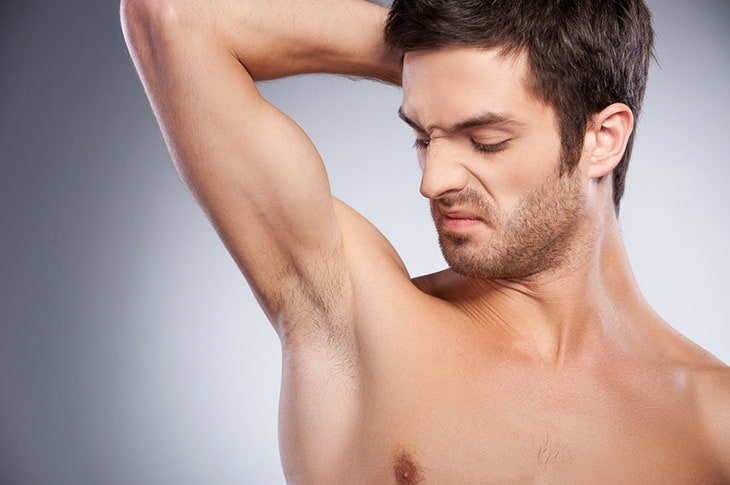
Body odour is the unpleasant scent our bodies can give off when bacteria that live on the skin break down sweat into acids. In reality, sweat itself is virtually odourless to humans. The rapid multiplication of bacteria in the presence of sweat and their breaking down of sweat into acids are the causes the unpleasant smell. Areas where body odour usually occurs- • armpits • feet • groin • belly button • genitals • pubic hair and other hair • behind the ears • the rest of the skin, to a lesser extent How to reduce sweat & body odour? The following steps may help in controlling body odour- • Daily shower warm water Have a shower at least once a day as it helps in washing away sweat and getting rid of some of the bacteria on your skin. Remember that warm water helps kill off bacteria that are present on your skin. If the weather is exceptionally hot, consider bathing more often than once a day. • Use Antibacterial Soap Washing thoroughly with an antibacterial soap bar will help get rid of some bacteria, which can help with the odour. • Dry well with towel Once you’ve showered, dry yourself completely, paying close attention to any areas where you sweat a lot. • Clean Clothing Change clothes often when you’re sweating as fresh clothes help keep body odour down. Also wear cl
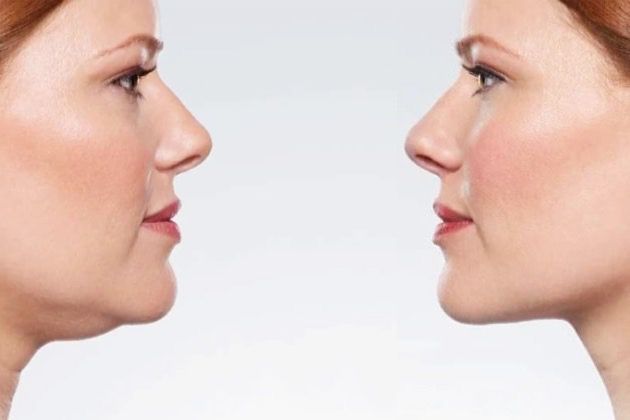
Seeing a double chin sprouted in the mirror may be a sign of obesity or weight gain. Fortunately, neck and chin toning can be achieved without surgery as there are many exercises that target the fat under the chin and neck. Whereas, there are other non-invasive US-FDA approved treatments as well that will help in returning your neck to its former glory by reducing double chin. Causes of a double chin A double is the extra layer of fat that develops below the chin. It is commonly caused by high-calorie diet, weight gain, age, laxity of skin, loose muscles, loss of volume on face, small chin and genetics that affect the elasticity of the skin, the amount of fat and water retention in the chin area. Understanding these factors may help with understanding ways to get rid of the double chin itself. • Age Skin tends to lose its elasticity as the body ages, which eventually leads to the appearance of extra or saggy skin that may convert to a double chin. • Genetics Anyone with a genetic history of skin with little elasticity or double chins might be more likely to develop one themselves. • Diet and weight Although weight gain is not always the cause of a double chin, but surely it can contribute to it. A diet high in calories, processed foods, and unhealthful fats may influence weight gain and a double chin as w
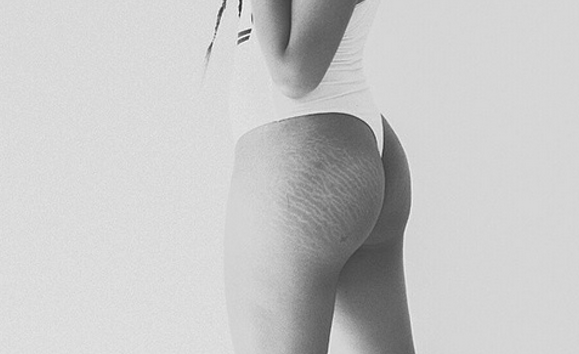
Overview Stretch marks are a type of scars that develops when our skin stretches or shrinks quickly. It is caused by the sudden stretching of the dermal layer of the skin, mostly during pregnancy. They usually appear as long and narrow streaks or stripes along the skin, which is why some people call them “tiger stripes.” These are also called striae & are indented streaks that often appear on the abdomen, breasts, hips, buttocks and thighs. These marks aren’t painful or harmful, but some people feel upset about the way they make their skin look. Stretch marks fade with time; however, treatment can make stretch marks fade & may make them less noticeable more quickly. Causes • Pregnancy • Weight Gain • Weight Training • Medication Use • Being overweight or obese • Being female • Using corticosteroid medication • History of stretch marks in the family • Rapid growth spurts during puberty How to get freedom from stretch marks? Treatment for Stretch Marks • Skin Resurfacing- ResurFx The Lumenis ResurFX is the latest in non-ablative, fractional laser technology to improve stretch marks, skin discoloration wrinkles, acne scars. Non-ablative means it does not destroys skin cells rather it stimulates the skin to develop collagen without harming or ablating any skin while fractional
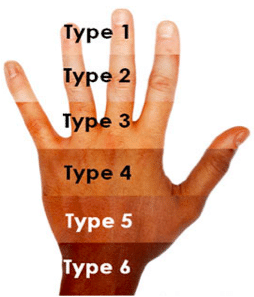
What’s your Fitzpatrick skin type in Fitzpatrick scale? Fitzpatrick skin typing test or the Fitzpatrick scale is a way of classifying different types of skin. It classifies a person’s complexion in relation to their tolerance to sunlight. The sun’s UV rays can damage a person’s skin and may lead to signs of pre-mature aging and skin cancer. In today’s times it is used by many health professions to determine how likely a person is to get skin cancer. This article has the Fitzpatrick skin typing system and it also discusses how to protect each of the six different Fitzpatrick skin types from sun damage. Where do you fit on the Fitzpatrick skin types? The Fitzpatrick skin types are associated with skin, hair, and eye colors in respect to their toleration of the sun: Skin Type Typical Features Characteristics/Tanning ability I pale white skin | red/blond hair | blue/green eyes | freckles always burns, never tans II white or fair skin | red or blond hair | blue/hazel/green eyes usually burns, tans rarely III cream white or fair skin | any eye or hair color gradually tans, burn occasionaly IV light brown skin tans with ease, rarely burns V brown skin tans very easily, rarely burns VI deeply pigmented dark brown or black skin tans